-
2-3 stars hotels (in some places best available)
-
Islamabad
-
Islamabad
-
Guided
-
English
-
Breakfast, lunch and dinner (normally included)
-
Yes
-
Car or Van/ grand Cabin 13 seats or Coaster/minibus, 21seats (4x 4 classical jeeps)
-
18
-
75
Ski In Boesam Pass Area Shimshal Valley
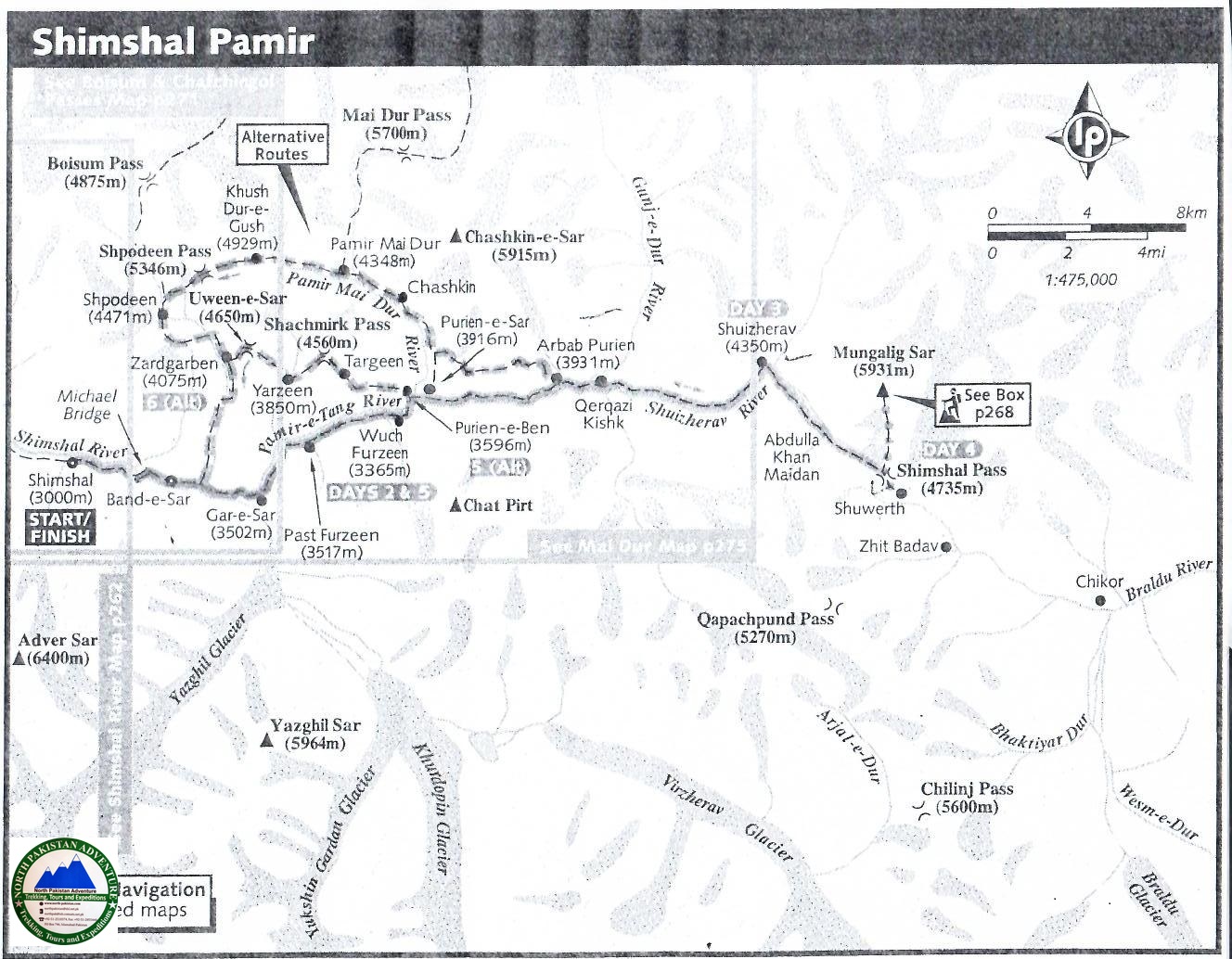
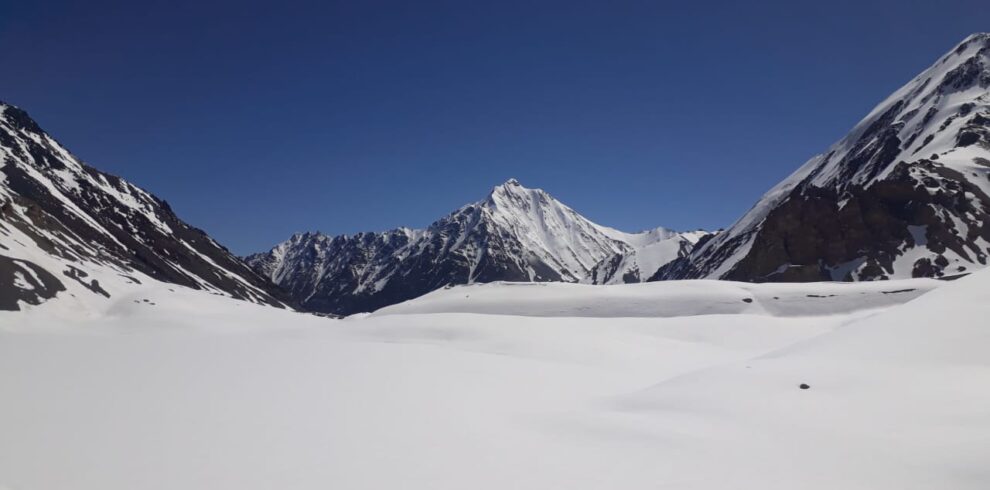
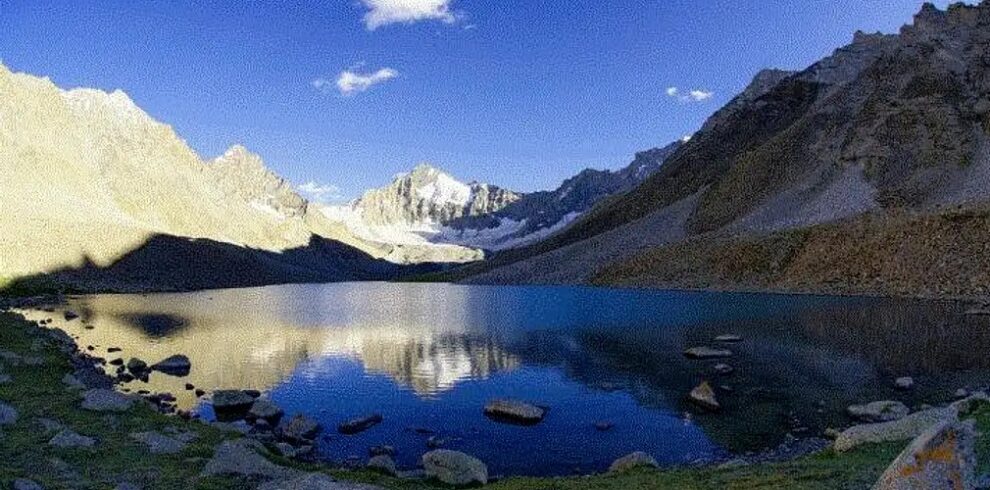
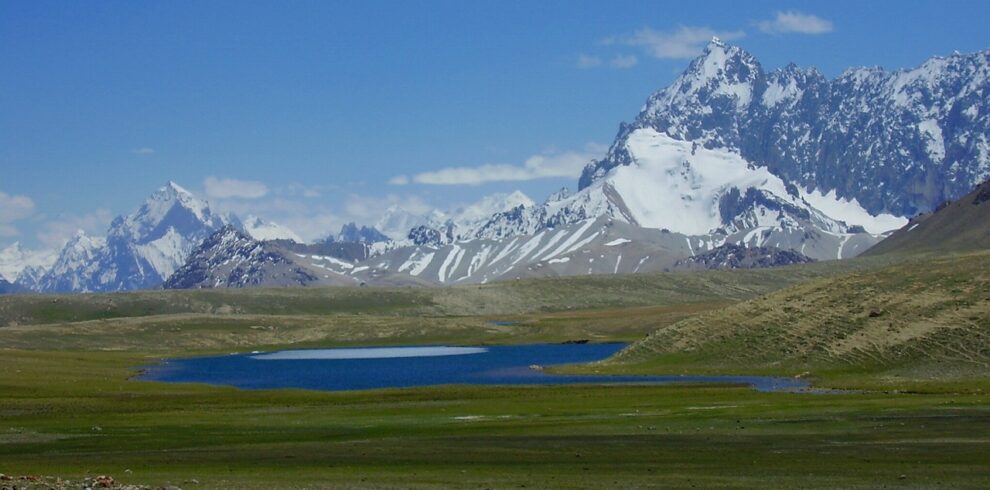
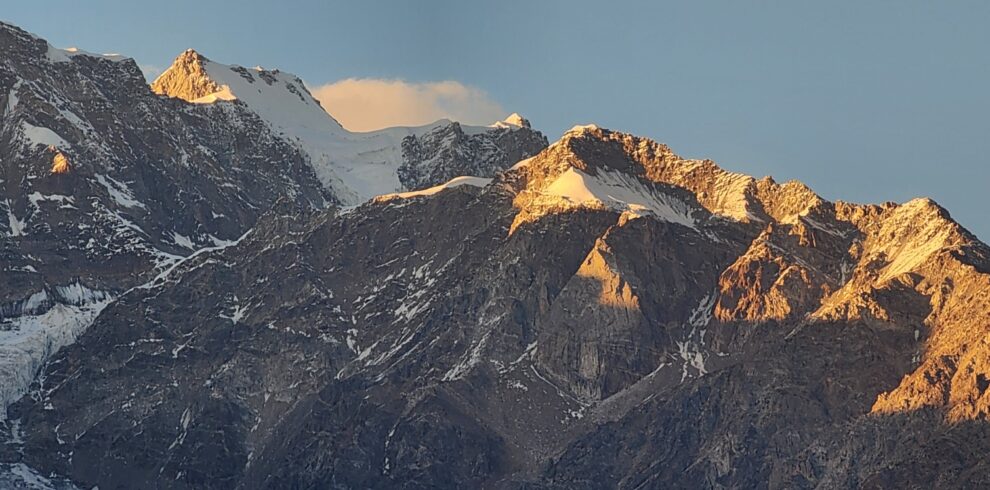
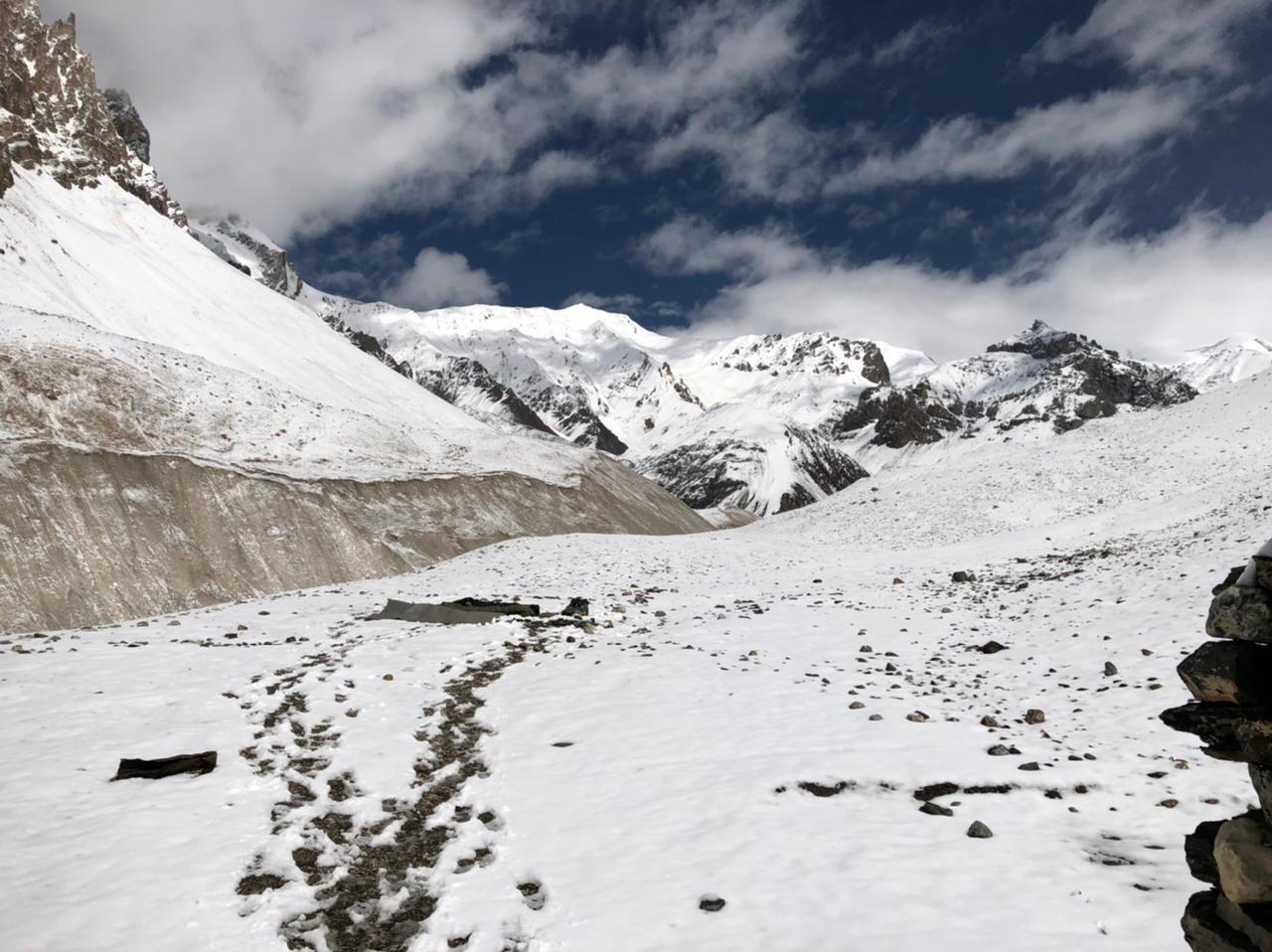
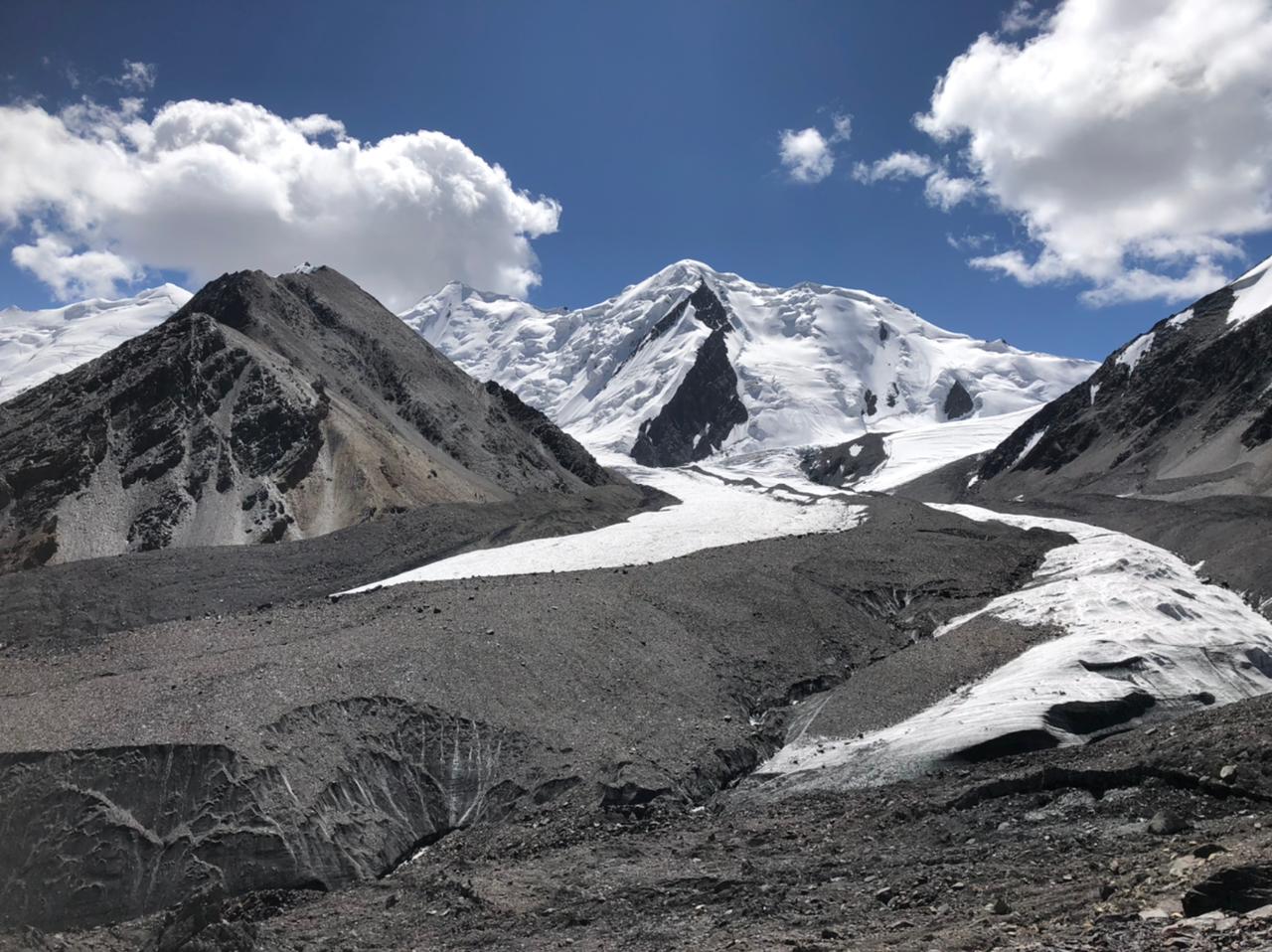
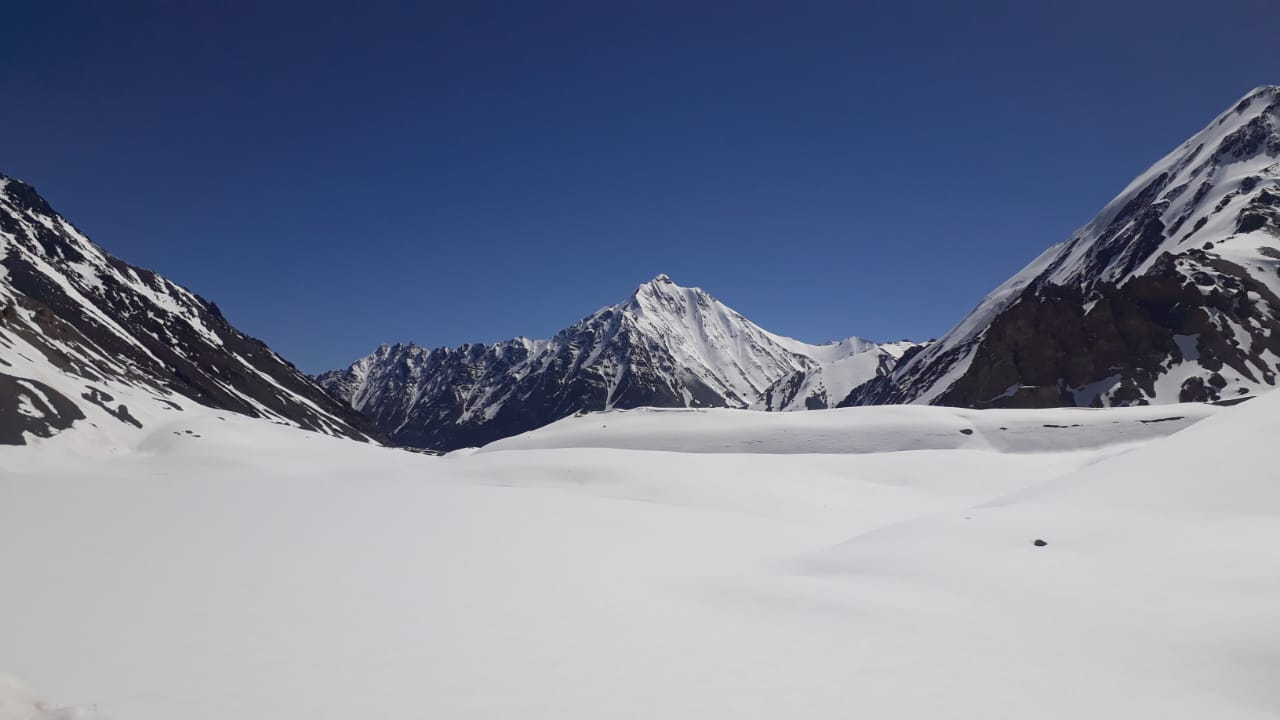
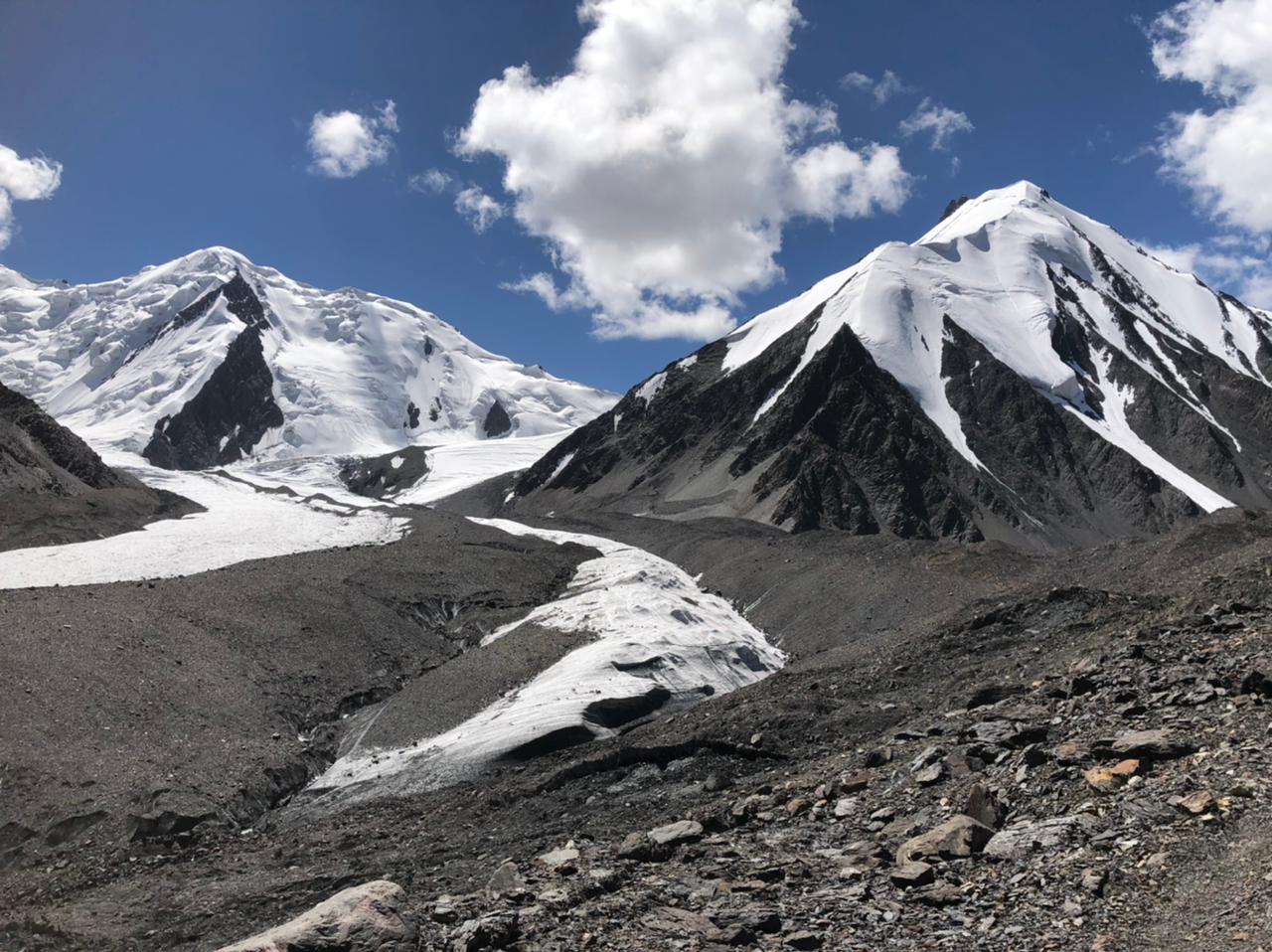
Boesam Pass, situated at approximately 4,999 meters (16,400 feet) north of Shimshal in Pakistan’s Karakoram Range, offers a remarkable setting for backcountry skiing and ski mountaineering. While not widely frequented, the area has been explored by adventurous ski mountaineers, revealing its potential for challenging and rewarding ski expeditions.
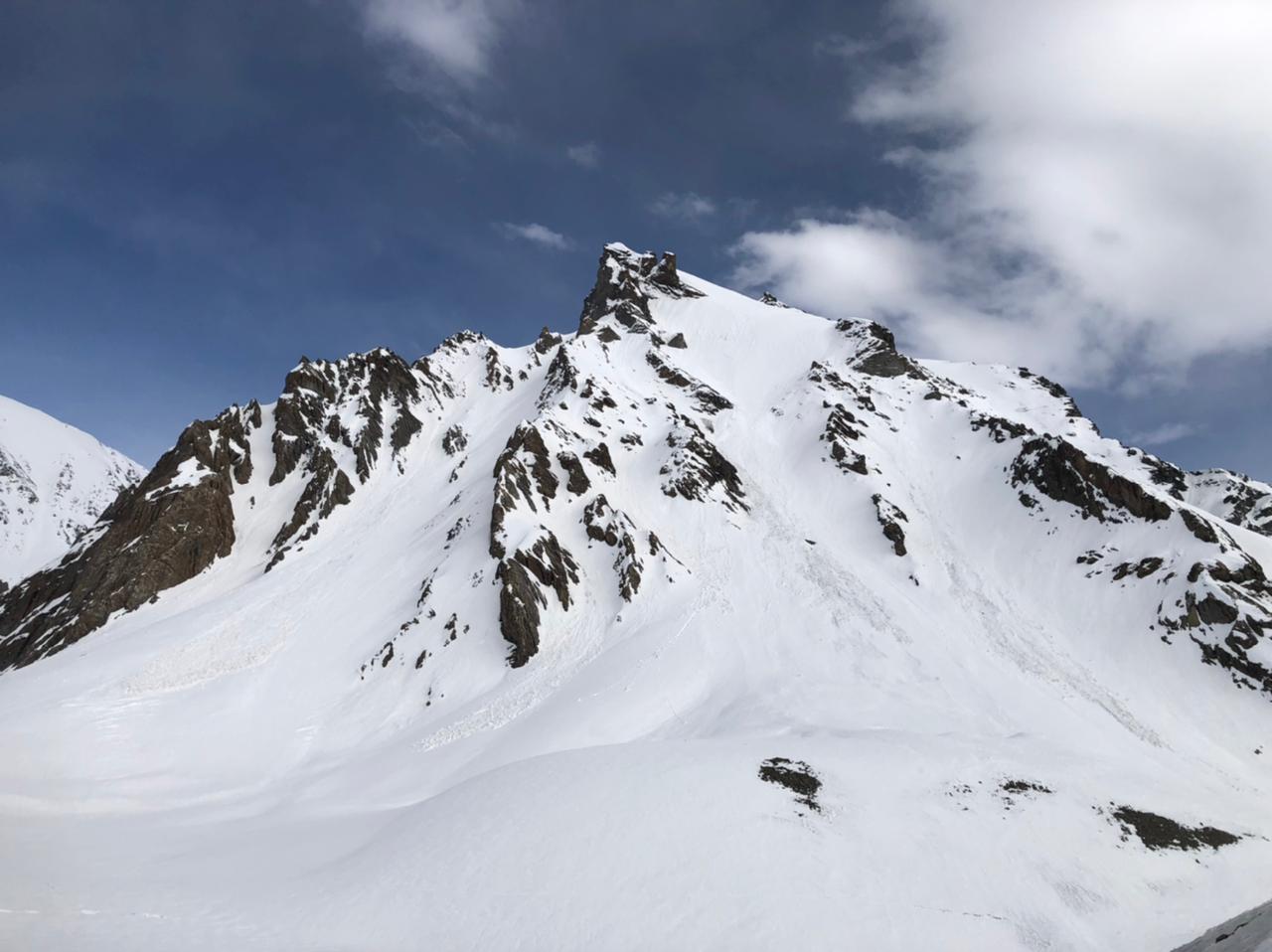
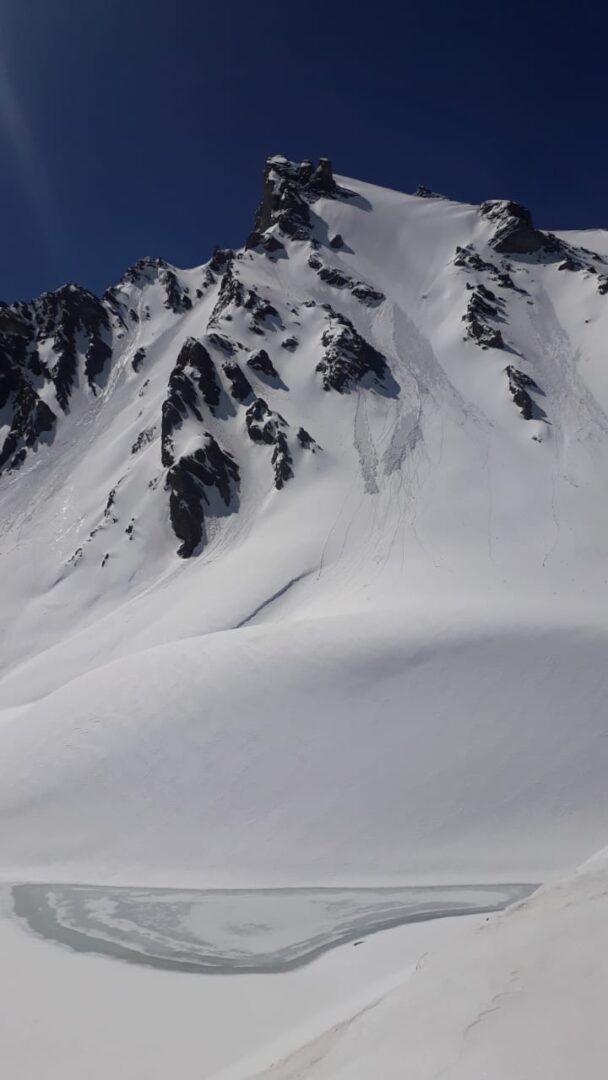
The approach to Boesam Pass features a variety of skiable lines, including steep couloirs, open slopes, and glaciated terrain. Expeditions have noted the abundance of picturesque ski lines en route to the pass, indicating ample opportunities for exploration.
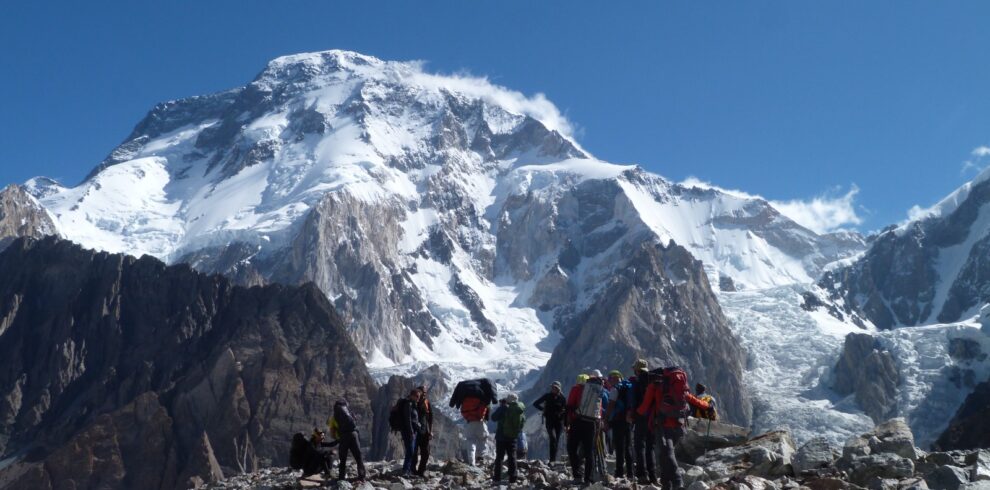
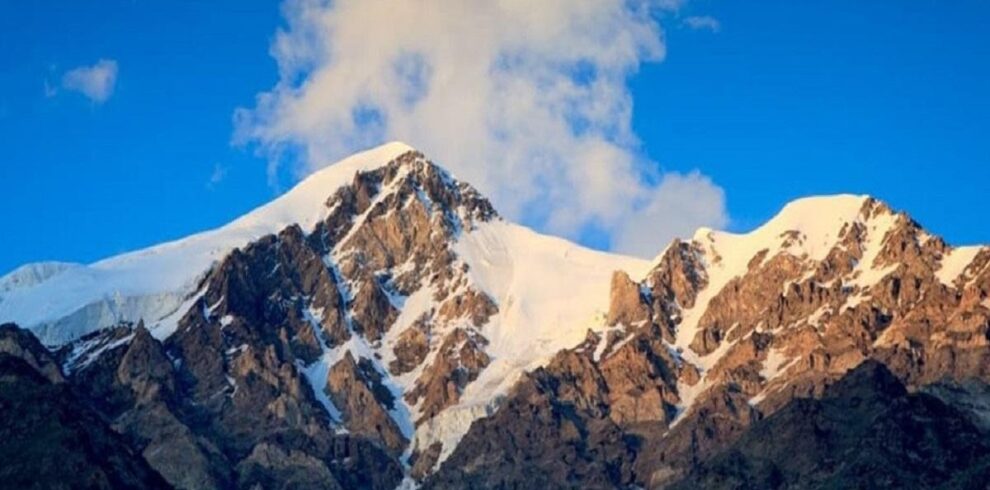
Yawash Sar II (6,176m): This peak, accessible from the Boesam Pass area, was successfully ascended and skied by a Polish team in 2022. The southwest face offers a consistent 35–45° slope, making it an appealing objective for experienced ski mountaineers. The region around Boesam Pass is dotted with unclimbed peaks under 6,000 meters, presenting opportunities for first ascents and ski descents. A British team in 2019 made several first ascents in this area, highlighting its exploratory potential.
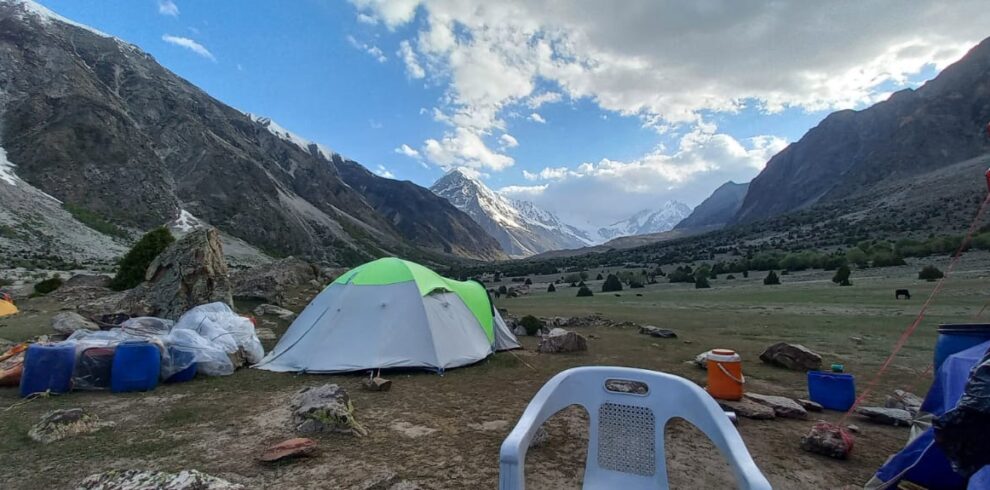
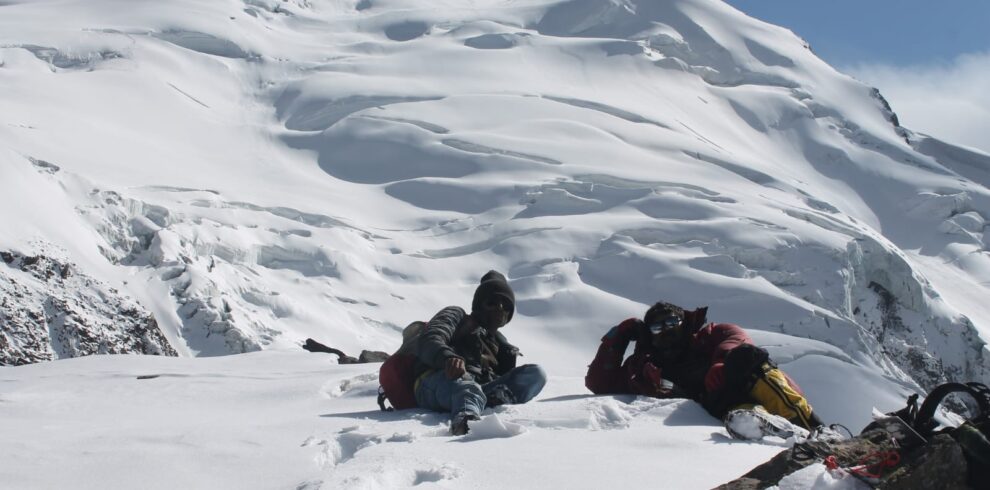
The journey typically begins in Shimshal village, followed by a multi-day trek over Boesam Pass to establish a base camp in the Ghidims Valley. From there, climbers can set up high camps near the North Ghidims Glacier to access surrounding peaks. Due to the remote location, high altitude, and technical terrain, this area is suitable for experienced ski mountaineers with proficiency in glacier travel and avalanche safety.
Ski In Boesam Pass Area Shimshal Valley
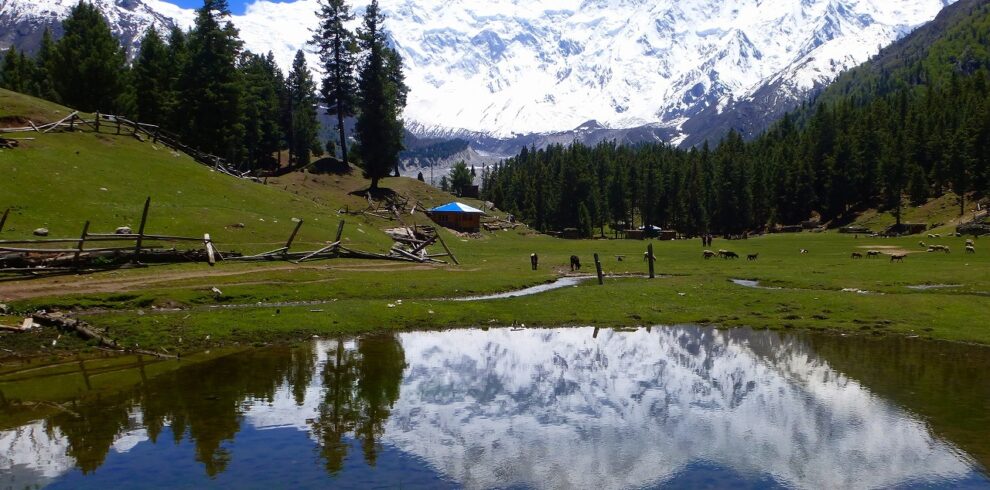
- Culture & Landscapes: Experience the unique culture of Hunza Valley—often referred to as "Shangri-La" and "Heaven on Earth."
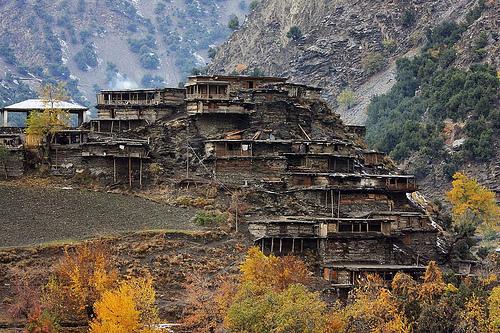
- Cultural Encounters: Meet the Kalash people, often believed to be Alexander the Great’s lost tribe.