-
2-3 stars hotels (in some places best available)
-
Islamabad
-
Islamabad
-
Guided
-
English
-
Breakfast, lunch and dinner (normally included)
-
Yes
-
Car or Van/ grand Cabin 13 seats or Coaster/minibus, 21seats (4x 4 classical jeeps)
-
18
-
75
Around Nanga Parbat Trek
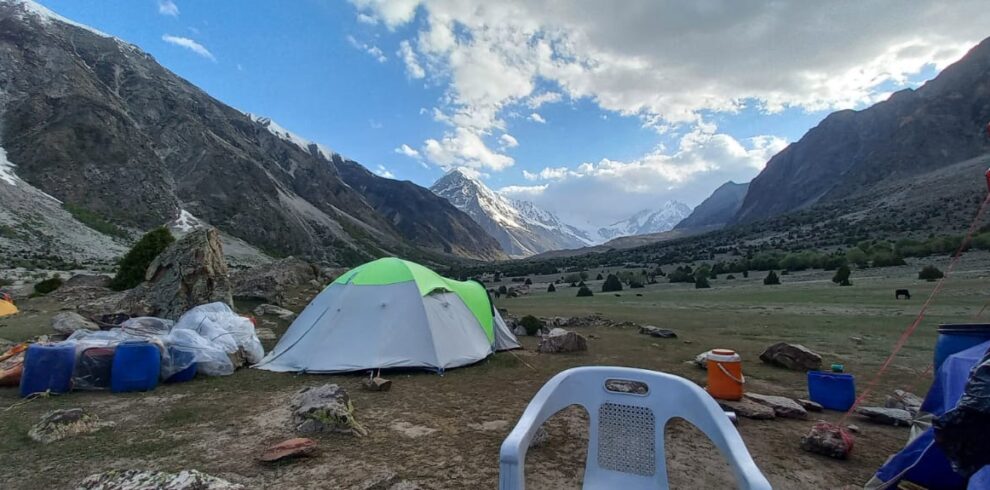
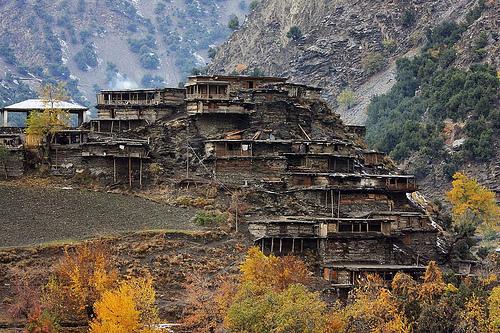
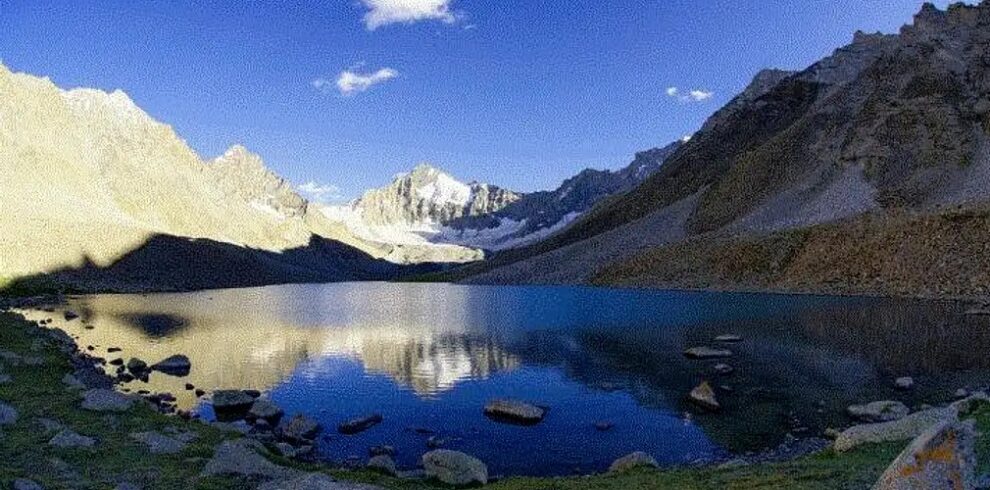
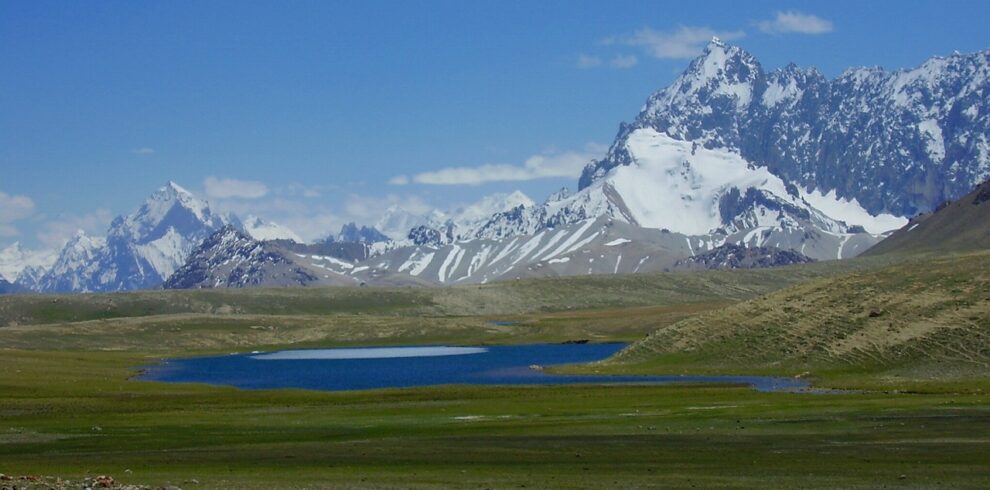
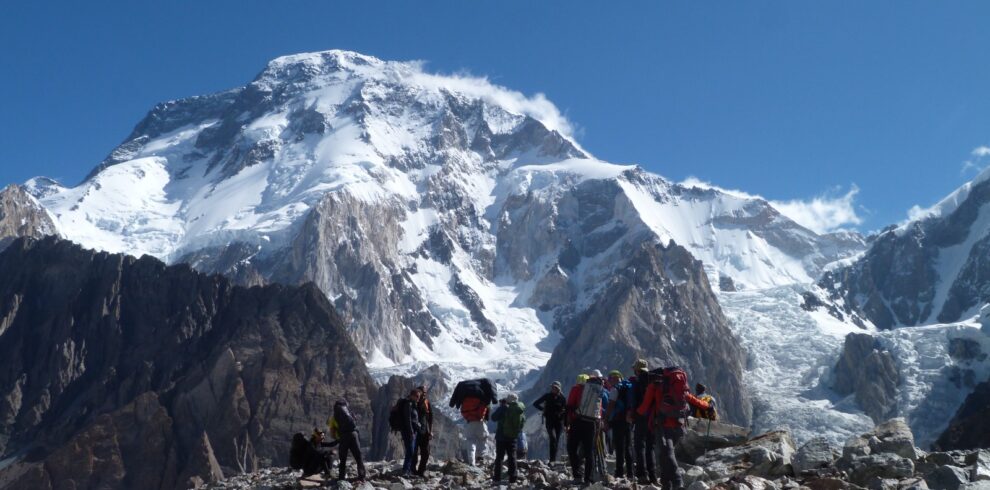
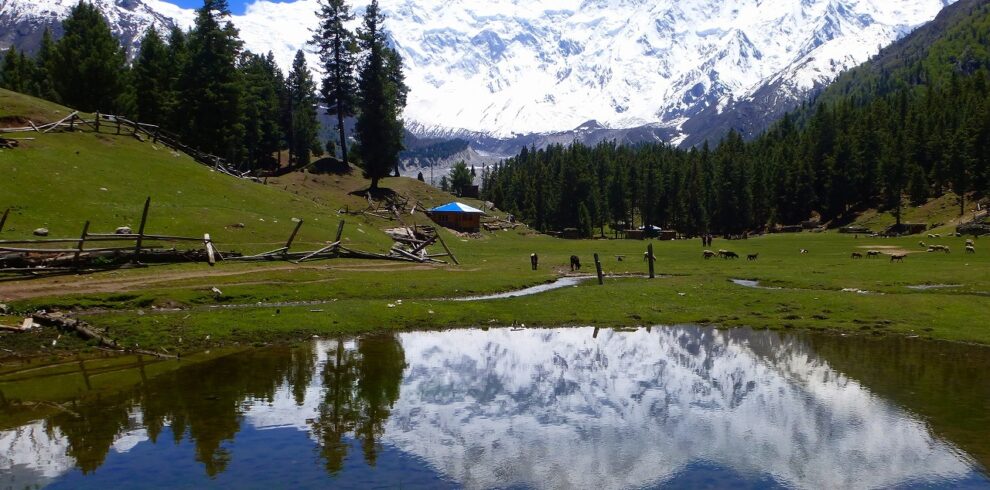
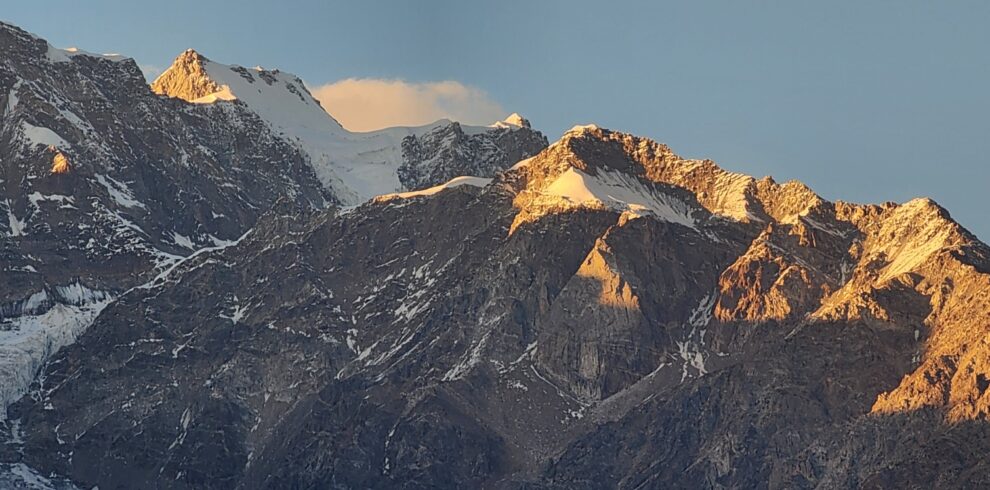
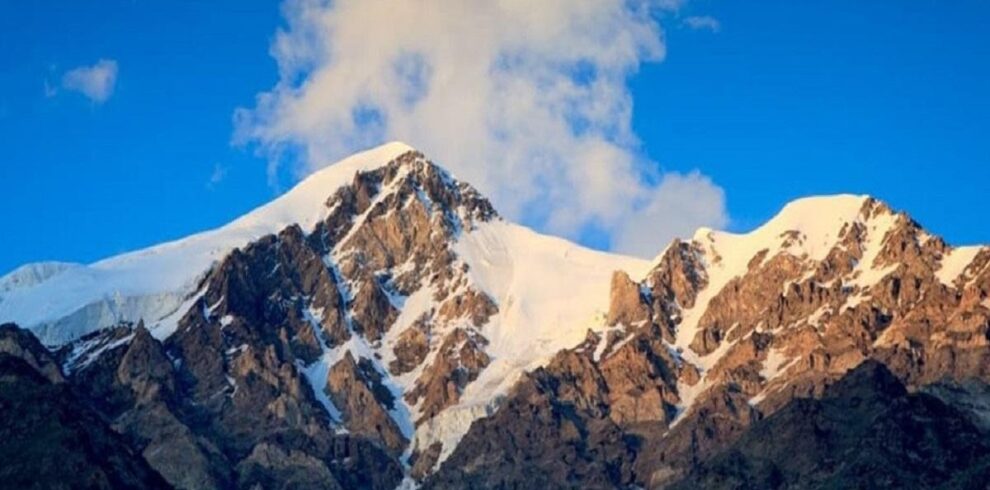
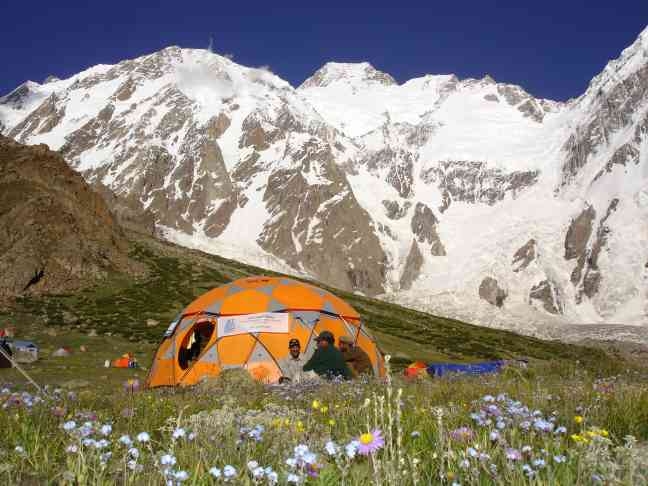
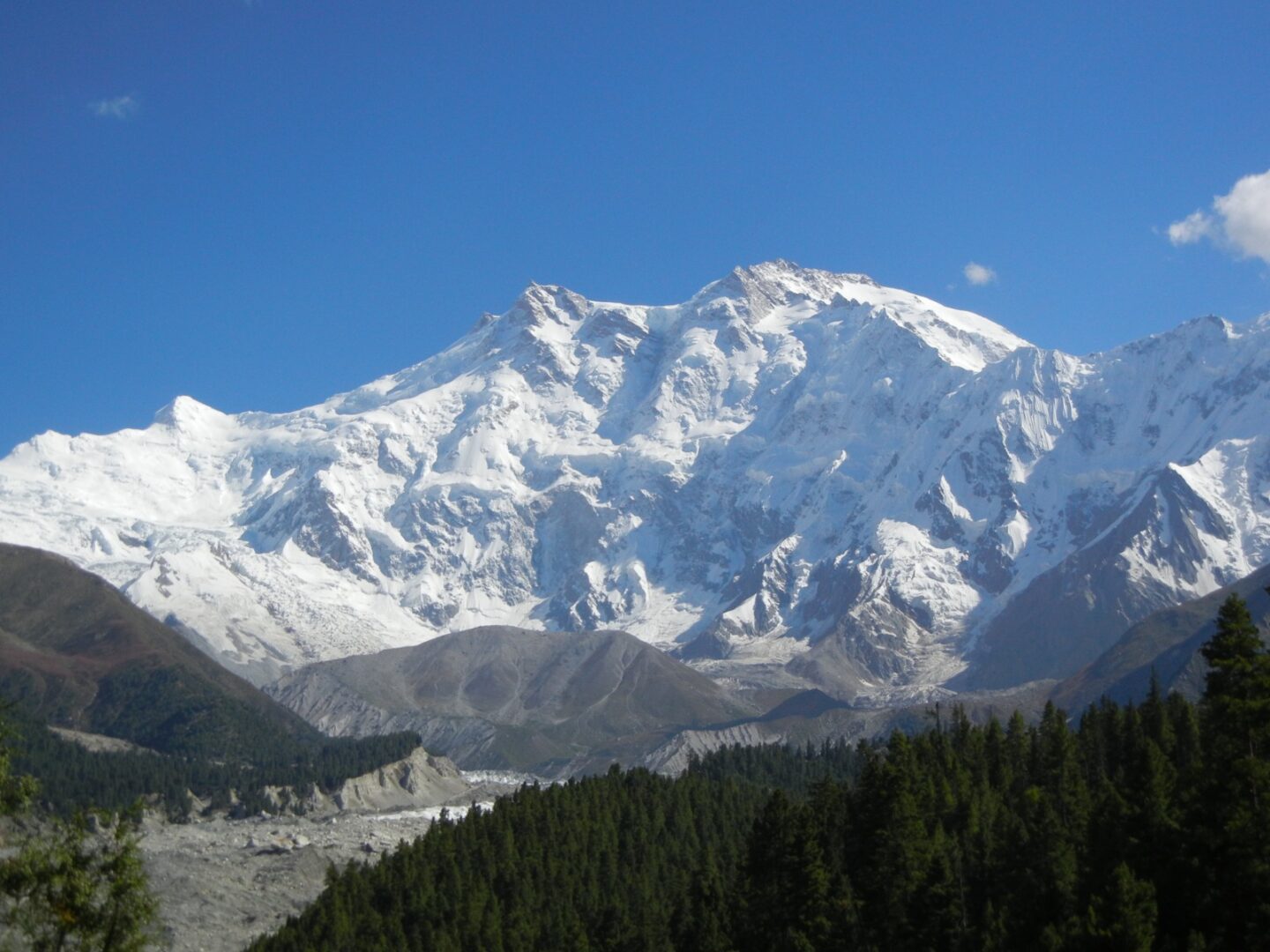
Nanga Parbat (8,126 m) is Pakistan’s ninth-highest mountain and one of the great trekking destinations of the western Himalaya. Located in Diamer District, Gilgit-Baltistan, it offers spectacular mountain scenery, alpine meadows, forests, glaciers and traditional mountain villages.
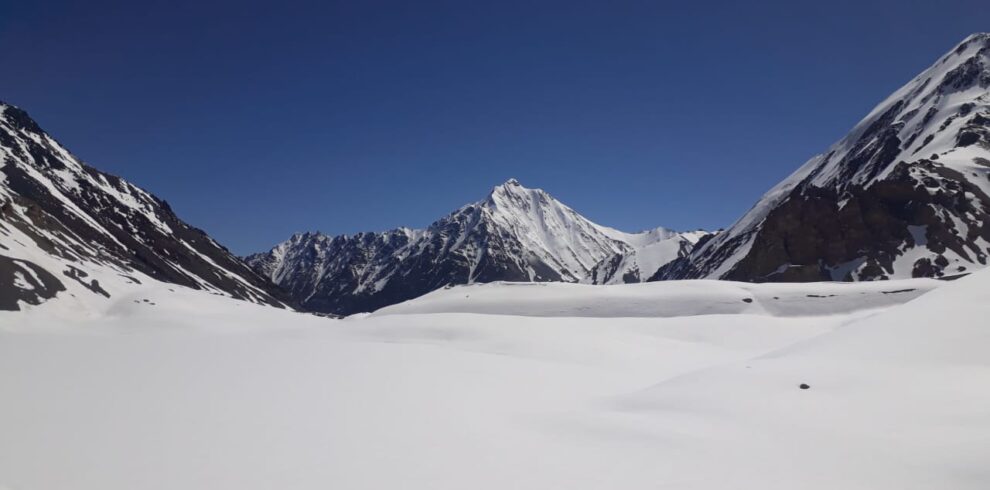
For a serious trekking expedition, the Around Nanga Parbat Trek via Mazeno Pass is the most appropriate choice. It traverses remote terrain between the Rupal and Diamir sides, with the Mazeno Pass reaching approximately 5,399 m. It commonly takes around 18–26 days, depending on the route and acclimatization schedule. The best season is June to September, with July and August often preferred for the high pass.
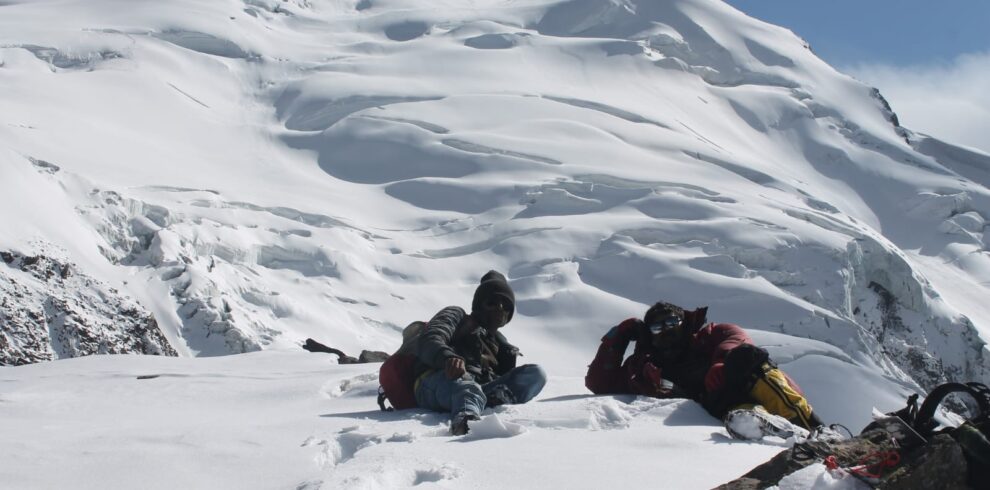
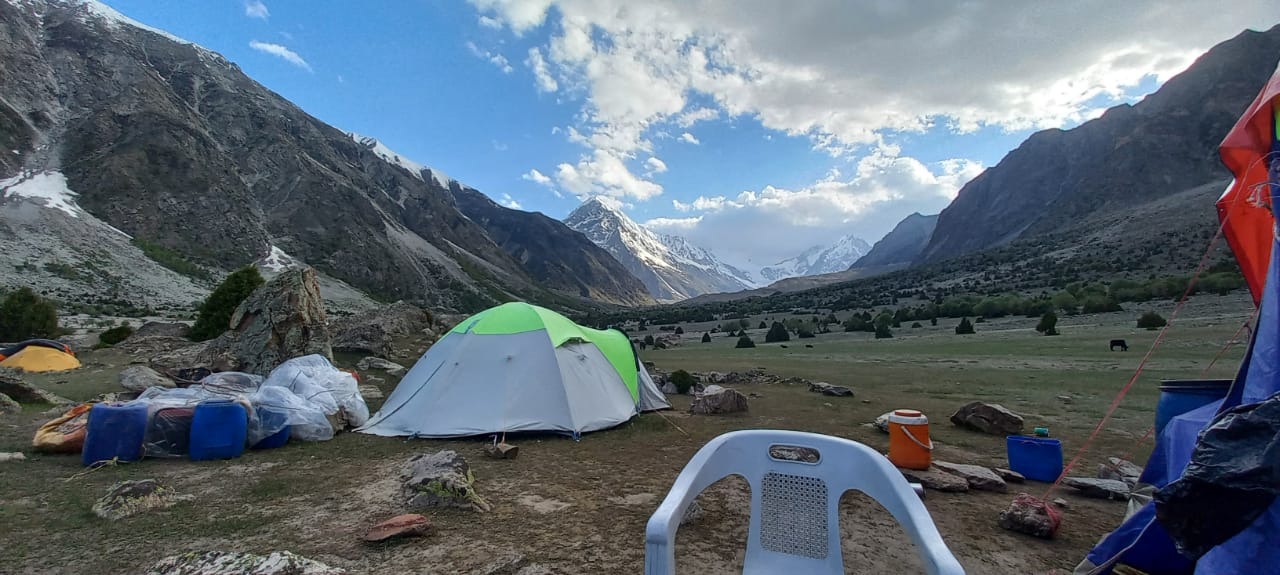
The region is susceptible to sudden weather changes, including storms and temperature fluctuations. Trekkers should be prepared for varying conditions. The trek encompasses diverse landscapes, from lush valleys to high-altitude plateaus, requiring agility and adaptability to navigate challenging terrains. Remote locations and limited facilities along the route demand trekkers to be self-sufficient and well-prepared, as access to resources can be challenging.
It required experience trekking, good physical fitness, acclimatization. It is complicated trek in terms of arranging porters and porter wages.
Around Nanga Parbat Trek
- Spectacular Himalayan Scenery: Trek in the shadow of Nanga Parbat (8,126 m), traversing diverse landscapes that range from lush valleys, alpine meadows, and forests to high-altitude plateaus and glaciers.
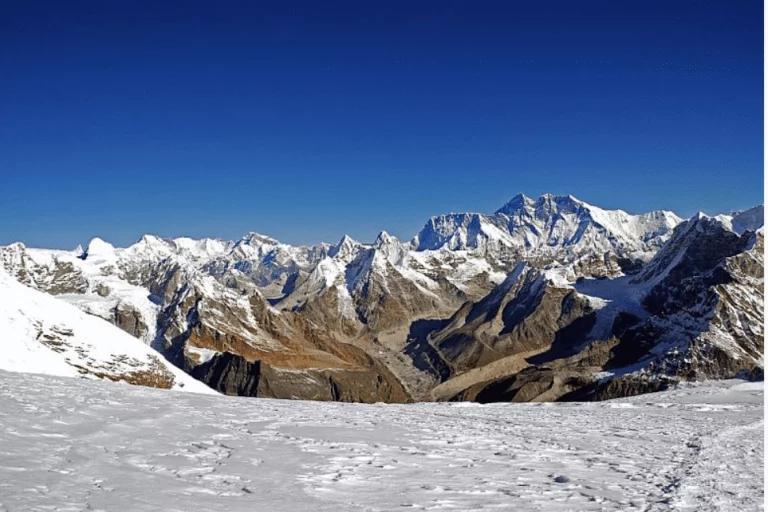
- Cross the Mighty Mazeno Pass: Navigate a serious 18–26 day expedition that crosses the challenging Mazeno Pass at approximately 5,399 m, connecting the remote Rupal and Diamir sides of the mountain.
- True Wilderness & Self-Sufficiency: Experience completely remote terrain with limited facilities, offering an authentic, off-the-grid adventure through traditional mountain villages.